


(844) 5-SPEECH



resource
Blog

12.2.2024
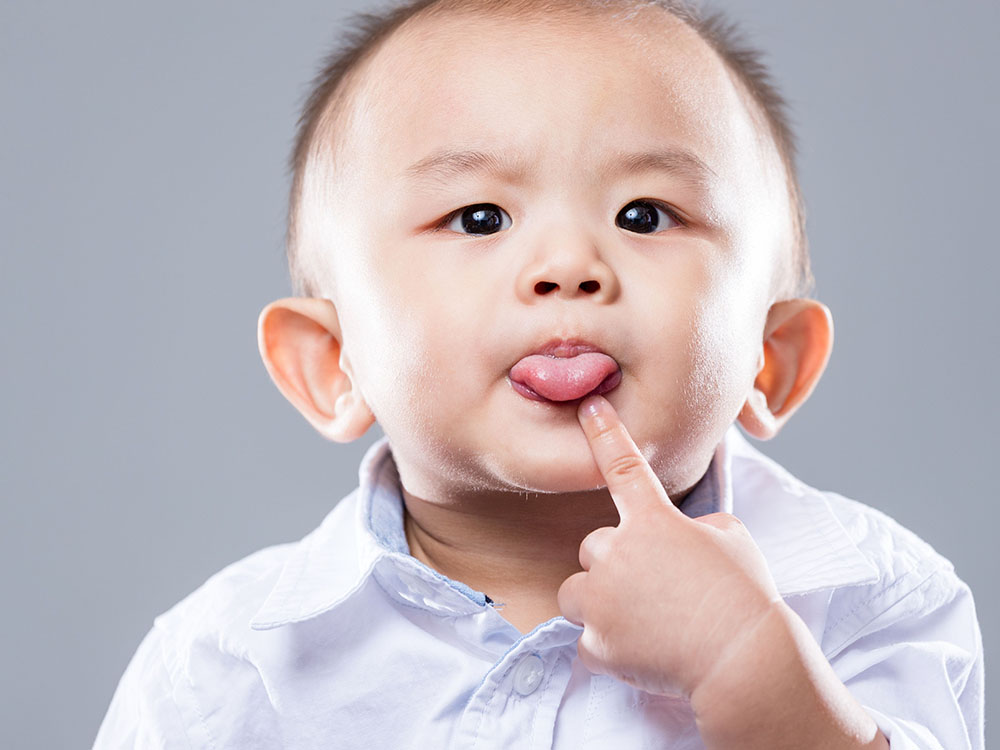
What is a Tongue Thrust?
Tongue thrusts refer to the forward motion of the tongue when speaking, chewing and/or swallowing. During a tongue thrust it may be possible to visibly see the tongue pushing forward against a person’s teeth or past their lips. There are a few different names that refer to this forward movement of a tongue thrust such as an immature swallowing pattern
Read Article
11.25.2024
Pathological Voice Assessment
Samantha D. Smith MS CF SLP TSSLD
Have you ever had a voice assessment before? If you are a speech language pathologist, have you ever provided a voice assessment? There are many factors related to assessing the voice, and these factors can provide a world of insight into vocal pathology. Voice assessments include examining shimmer, jitter, glissando, and the s/z ratio. These are all objective measurements of
Read Article
11.19.2024
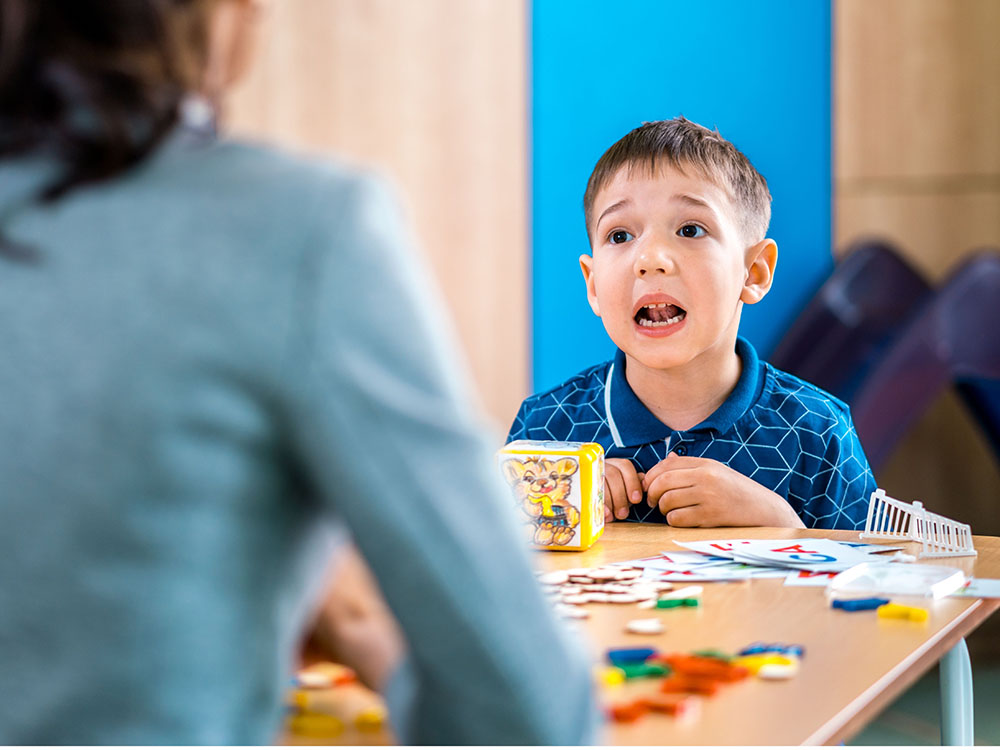
Lateral Lisp Correction
Have you ever heard your child, student, or client say the “s” sound with a slushy tone when expressed? That “slushy” tone could be due to air flowing over the wrong area of the tongue. To say a proper “s” sound, the airflow should be down the middle of the tongue as opposed to over the sides of the tongue.
Read Article

11.11.2024
How Does the Jaw and Jaw Stability Affect Speech?
Were you aware of the role that the jaw plays in articulation of speech sounds? Jaw stability (or instability) can affect kids’ affect a kid’s speech sounds in different ways. According to Solomon et al. (2016), jaw stabilization is helpful for training “coordinated lingual movements for speech in children with speech sound disorders or apraxia of speech.” This means that
Read Article

11.5.2024
The CELF-5 Assessment & Assessing Bilingual Children
Are you familiar with the CELF-5 Assessment? The CELF-5 is widely used by clinicians to test receptive and expressive aspects of language. The CELF-5 includes multiple ‘subtests,’ and is used for children ages 5-21. The Subtests include Sentence Comprehension, Linguistic Concepts, Word Structure, Word Classes, Following Directions, Formulated Sentences, Recalling Sentences, and Understanding Spoken Paragraphs. Each of these categories provides
Read Article

10.28.2024
Toys That Everyone Should Have
There are some toys that are often used in speech therapy and for good reason! These are materials that everyone who has kids or works with kids should have. This list of toys tends to elicit a lot of language and help children reach their speech and language goals the most! Toy animals with a farm – use the toys
Read Article

10.21.2024
Supporting Your Child’s Speech and Language Goals at Home
What is carryover? It is supporting what is worked on in speech therapy at home. Most of the progress that your child is going to make is going to be right in your own home. Whether it is with late talkers, kids with speech sound errors or those with language goals, there is only so much that can happen in
Read Article

10.14.2024
Speech Therapy And Social Skills
Social skills and socialization are an extremely important part of a child’s life. They go to school every day and spend time with kids their own age. They attend birthday parties and play together during recess. But what happens if they misunderstand social situations or are unsure of how to make friends? Speech therapy can help your child develop the
Read Article

10.7.2024
Teaching Sign Language To Enhance Early Communication
Sign language is not only for the Deaf and hard of hearing! Research shows that teaching sign language to babies and using it regularly is a great way to enhance their communication. This has been a controversial topic in the past with the belief that teaching sign language would hinder verbal communication. However, it has been proven to enhance it
Read Article